What Sickness Does Mountain Gorillas Suffer?
What Sickness Does Mountain Gorillas Suffer?
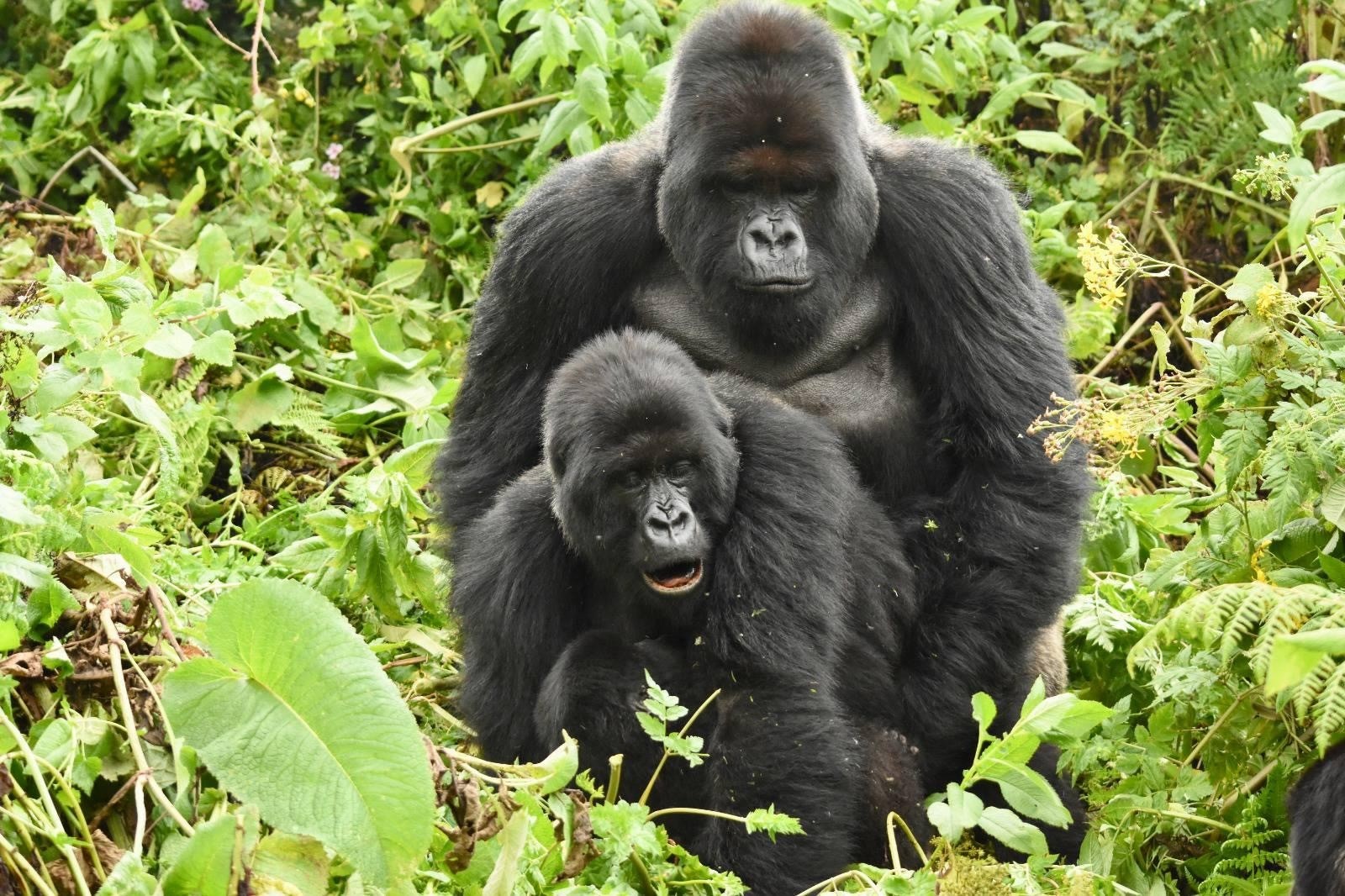
Sickness and diseases are the leading causes of mountain gorilla deaths in their natural habitats and given their close relation to humans, they are affected by almost all diseases that affect us. It is on this account that travelers are advised to maintain a certain distance (7 meters) while observing and photographing them. While in their natural habitats, these Giant Apes occupy areas with colder regions but to many visitors’ amazement, they are adapted to these areas. Aside from poaching, mountain gorillas are greatly affected by respiratory Tract Diseases, especially Pneumonia, and have sadly been one of the top causes of death among these gentle beasts.
Given the vegetarian diet of the mountain gorillas, they surprisingly never suffer from teeth cavities. This is contrary to the other gorilla sub-species whose diet comprises of much fruit thus a lot of sugar that brings about tooth cavities. Mountain gorillas instead experience terrible Tartar that is the largest contributor of Periodontitis, breaking down jaw bones and finally making them to lose their teeth.
Also, mountain gorillas sometimes have parasites (especially the intestinal parasites in form of worms and Protozoa, some of which also affect humans while others mainly target these Great Apes. Could you believe that a number of malaria parasites also affect the mountain gorillas? However, a number of diseases some from getting entangled or wounded in wire snares that affect their feet or hands. In most cases, these wounds become infected, sometimes causing death. Another serious cause of mountain gorilla death is epidemics like Ebola and SARS-CoV-2 that causes COVID-19 that can be transmitted from humans to gorillas and vice versa. While it is not emphasized enough, the dangers posed by humans to the giant Apes extend beyond the ordinary risks of poaching as well as habitat encroachment. Even in circumstances where you expect local communities to show respect and value to the Giant Apes and their natural habitats for the huge contribution towards their income and standards of living, there are surprisingly still huge risks of humans spreading diseases and sicknesses to the mountain gorillas. Keep in mind that humans and mountain gorillas share about 98.4% DNA, which is a considerable percentage.
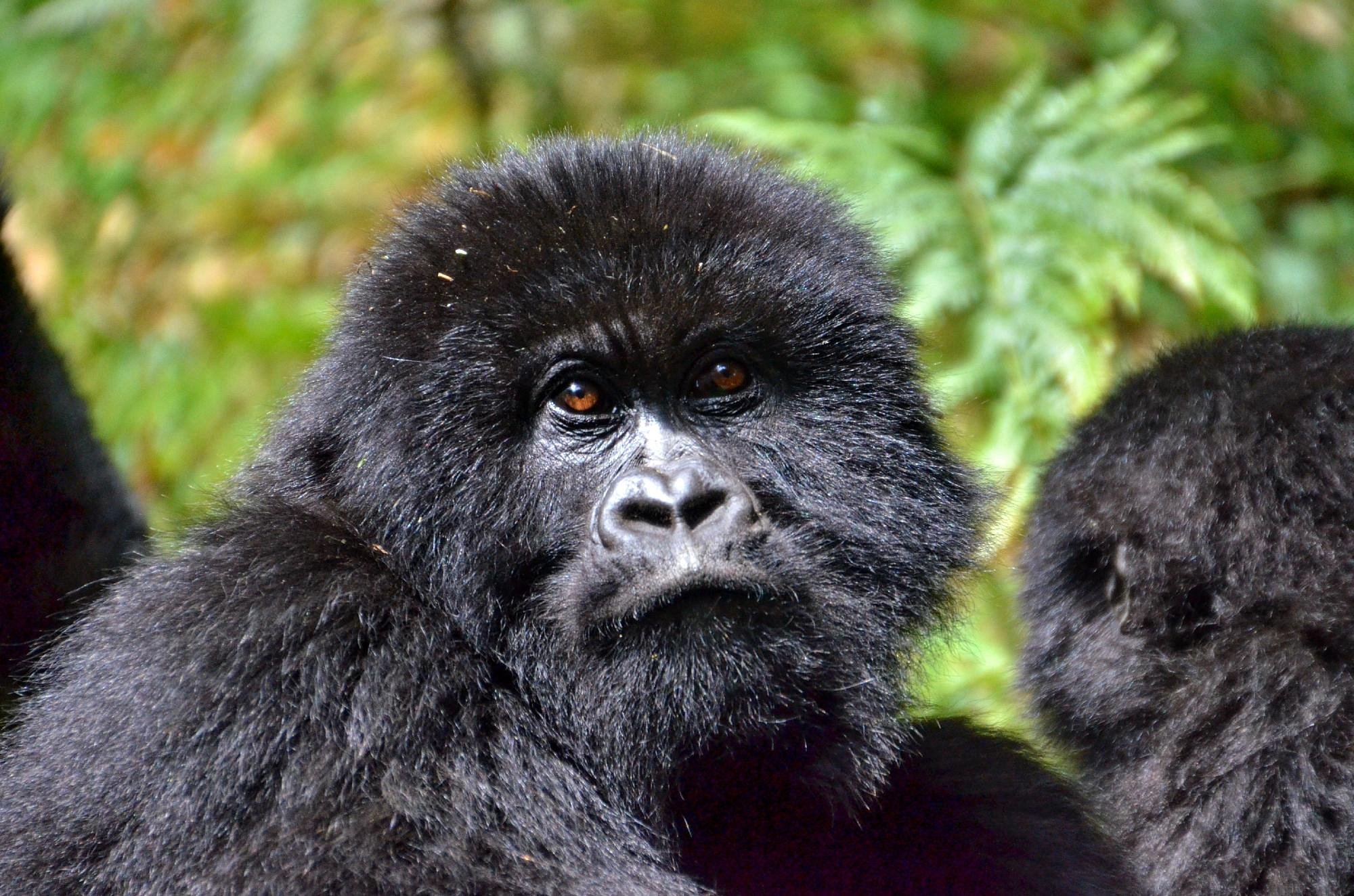
Nonetheless, there is still hope for protecting these Giant Apes through Ranger-based monitoring as well as veterinary routine health checks. Usually, mountain gorillas showing signs of respiratory illness in form of coughing, sneezing, tiredness and runny nose are observed intensively. While some of these diseases go on their own, some are serious and cause death if not treated on time. Like humans, mountain gorillas also suffer from bacterial infections which are manageable when detected on-time.
Normally, when it is obvious that the Giant Ape has a serious respiratory disease that is apparently not getting better, a medical intervention is done by the Gorilla Doctors (committed individuals) who will dart the mountain gorilla with antibiotics (such as Ceftriaxone) for quicker recovery. Most recover after the first dose but if recovery is slower, the second dose is given just few days after the first darting.
Ways of protecting mountains gorillas
Some of the simple ways you and I can protect the mountain gorillas in their natural habitats is by booking a gorilla safari because a significant percentage of gorilla permit fees goes into treatment and paying everyone laying down their lives to the protection of Giant Apes-such as Gorilla doctors and law enforcement officers. Another effortless way of protecting them is creating awareness on their lives and conservation, donating as well as supporting local communities among others. In so doing, they will avoid harmful practices like poaching.