
10 Essential Tips for Driving Safely in the Rain in Uganda: Expert Rainy Driving Tips for Wet Roads
Trips when Driving on a Rainy Day: Driving safely in the rain is one of the biggest challenges for motorists in Uganda, especially during the two main rainy seasons (March to May and September to November).
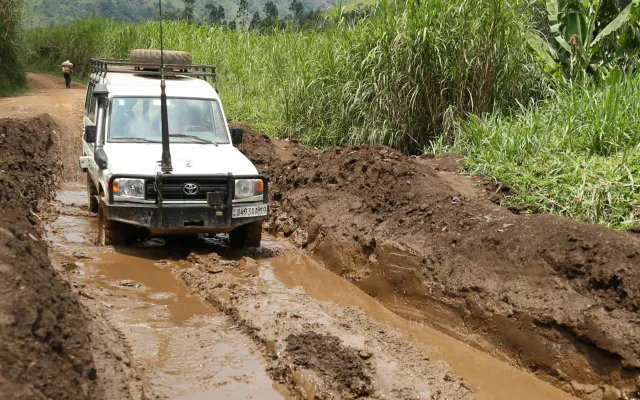
Heavy tropical downpours turn tarmac roads slippery with oil buildup, fill potholes with hidden water, transform murram (dirt) roads into muddy hazards, and drastically reduce visibility.
According to global road safety data, a significant portion of weather-related crashes occur in rainy conditions due to hydroplaning, longer braking distances, and poor visibility.
In Uganda, these risks are amplified by factors like unpredictable flooding in low-lying areas (e.g., parts of Kampala such as Bwaise, Nateete, and industrial zones), boda boda riders, pedestrians, and varying road quality from Entebbe Expressway to rural routes.
This comprehensive guide expands on proven rainy-driving tips, tailored for Ugandan roads, to help you drive confidently and reduce accident risks.
Why Rainy Driving is Particularly Dangerous in Uganda
Uganda’s roads face unique challenges in wet weather:
- Reduced traction: Wet surfaces halve tire grip, increasing stopping distances by 2-3 times.
- Hydroplaning: A thin layer of water lifts tires off the road, common at speeds over 50-60 km/h on flooded patches.
- Visibility issues: Heavy rain, fogged windshields and spray from large trucks.
- Flooding and potholes: Stagnant water often conceals deep potholes or washed-out sections, especially on murram roads.
- Traffic mix: Boda bodas, cyclists, pedestrians, and overloaded trucks add unpredictability.
Accidents spike during the first 10-15 minutes of rain when oils rise to the surface.
Planning ahead and adopting defensive driving techniques can make all the difference.

Pre-Drive Preparation for the Rainy Season
Before hitting the road:
- Check your tires: Ensure tread depth is at least 3mm (legal minimum is 1.6mm, but experts recommend more for wet conditions). Properly inflated tires channel water better and reduce hydroplaning risk.
- Test wipers, lights, and defrosters: Replace streaky blades and top up washer fluid.
- Inspect brakes and battery: Wet conditions stress these components.
- Plan your route: Avoid known flood-prone areas like low-lying Kampala spots or hilly regions prone to landslides. Use apps or local updates for real-time conditions.
- Emergency kit: Carry a reflective triangle, spare tire, flashlight, water, snacks, and a charged phone with offline maps.
10 Key Tips for Driving Safely in the Rain
1. Avoid Driving If You Don’t Have To The smartest rainy-day driving tip is prevention. Heavy rains often bring flooding, fallen trees, downed power lines, and poor visibility.
Stay home for non-essential trips, especially at night or during storms. If conditions worsen, pull over safely, activate hazard lights (only when stationary), and wait it out.
2. Always Stay Alert and Drive Defensively Focus fully—no distractions like phones. Scan for hazards: boda bodas, pedestrians with umbrellas, animals, and sudden stops.
Pay extra attention to blind spots, merging lanes, and intersections where oil and debris accumulate. Keep both hands on the wheel for better control.
3. Slow Down Significantly Reduce speed by at least 25-30% (or more on murram roads). On tarmac, aim well below limits; on dirt roads, 10-20 km/h may be necessary.
Slower speeds prevent hydroplaning, shorten effective braking distances relative to conditions, and give you time to react. Drive in the tracks of the vehicle ahead where possible.
4. Turn Off Cruise Control Cruise control can cause sudden acceleration or loss of control if tires lose traction. Manual speed adjustment lets you respond instantly to changing conditions.
5. Increase Following Distance and Avoid Tailgating Double or triple your normal gap (aim for 4-6 seconds or more). Wet roads dramatically increase stopping distances.
This buffer prevents rear-end collisions if the vehicle ahead brakes suddenly.
6. Brake Gently and Avoid Abrupt Movements Smooth, gradual braking alerts drivers behind you. Hard braking on slippery roads causes skids.
If your car has ABS, apply steady pressure; without it, pump gently. Avoid sudden steering or acceleration.
7. Use Lights Wisely Turn on low-beam headlights and fog lights (if equipped) day or night—they help others see you. Dim dashboard lights to reduce windshield glare.
Avoid high beams, as they reflect off rain and blind oncoming traffic. Clean wipers and windshield regularly.
8. Turn On Defrosters and Manage Fog Use front and rear defrosters plus AC/ventilation to prevent internal fogging. Keep a clean cloth handy for the inside of the windshield.
Proper ventilation maintains clear visibility.
9. Avoid Big Trucks, Buses, and Spray Large vehicles create massive water spray that reduces your visibility and can push smaller cars. Maintain extra distance and pass cautiously when safe.
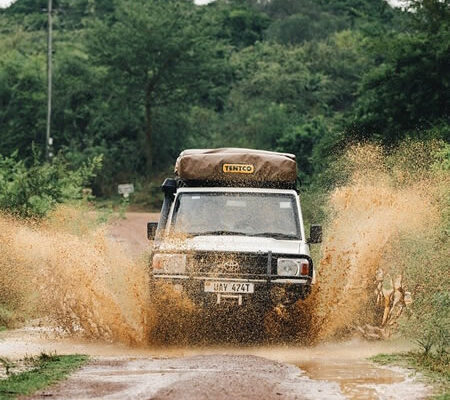
10. Steer Clear of Flood-Prone Areas and Standing Water Never drive through flooded roads—”Turn Around, Don’t Drown.” Even 15cm of water can cause loss of control or engine damage.
Watch for hidden potholes. On murram roads, deep mud can strand vehicles. Choose alternative routes and stay in higher ground lanes.
Additional Rainy Season Driving Strategies for Uganda
- Handle Hydroplaning Calmly: If it happens (steering feels light), ease off the accelerator, keep the wheel straight, and avoid braking until traction returns.
- Night Driving: Extremely hazardous—avoid if possible. Use defrosters and clean surfaces.
- Murram and Rural Roads: Traction drops sharply; consider 4WD vehicles for safaris or remote areas.
- Vulnerable Road Users: Give extra space to boda bodas, cyclists, and pedestrians.
Vehicle Maintenance Tips for Wet Weather
Regular checks are crucial:
- Tires: Rotate, balance, and align after rainy seasons.
- Brakes: Inspect for wear.
- Lights and electricals: Prevent shorts from water.
- Underbody: Rinse off mud/salt to avoid corrosion.
What to Do in an Emergency
If stranded in floodwater, abandon the vehicle and move to higher ground. For skids or breakdowns, use hazard lights only when stopped, place triangles, and call for help.
Stay calm and patient—rushing worsens situations.
Safe travels on Uganda’s roads!
FAQs on Driving Safely in the Rain in Uganda
Q: How much should I reduce speed in heavy rain?
A: At least 25-30% or more, depending on conditions. Prioritize control over time.
Q: Are worn tires dangerous in rain?
A: Yes—replace below 3mm tread to minimize hydroplaning.
Q: Should I use hazard lights while driving in rain?
A: No, only when stationary to avoid confusing other drivers.
Q: What are common flood hotspots in Kampala?
A: Areas like Bwaise, Nateete, industrial zones, and parts of Jinja Road—check local updates.
Conclusion: Drive Smart, Arrive Safe
Mastering these rainy driving tips transforms stressful wet conditions into manageable ones.
By slowing down, staying alert, preparing your vehicle, and respecting Uganda’s unique road challenges, you protect yourself, passengers, and fellow road users.
Always prioritize safety over schedules. Share these tips with friends and family—road safety is a shared responsibility.