
The 1994 Rwandan Genocide: History, Causes, Events, Aftermath and Lessons from Rwanda’s Dark Past
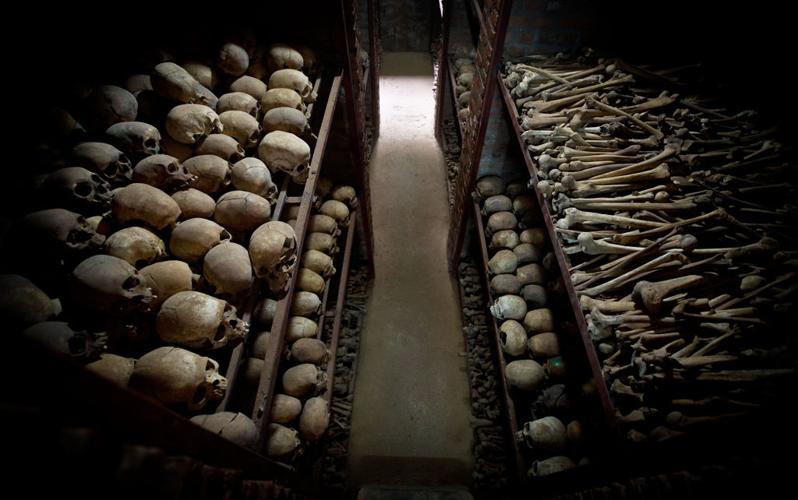
The 1994 Rwandan Genocide remains one of the darkest chapters in modern African history and one of the fastest genocides ever recorded.
In just 100 days between April and July 1994, an estimated 800,000 to 1 million people, mainly Tutsi but also moderate Hutu, were brutally killed during a period of extreme violence that shook Rwanda and the entire world.
The genocide was deeply connected to decades of political instability, ethnic division, colonial influence, economic struggles, and escalating tensions between Rwanda’s two major ethnic groups: the Hutu and Tutsi communities.
Today, Rwanda has transformed from a country marked by tragedy into one of Africa’s safest and fastest-growing nations.
Understanding the history of the Rwandan genocide provides important lessons about reconciliation, unity, peacebuilding, and the consequences of discrimination.
For visitors interested in Rwanda’s history and culture, genocide memorial sites such as the Kigali Genocide Memorial provide important educational experiences that preserve the memory of victims and promote peace.
What Was the Rwandan Genocide?
The Rwandan Genocide was a planned campaign of mass killing that took place in Rwanda in 1994 during the country’s civil war.
The violence primarily targeted the Tutsi ethnic group, although many moderate Hutus who opposed the killings were also murdered.
The genocide was carried out by extremist members of the Hutu government, including militia groups such as the Interahamwe and Impuzamugambi, alongside sections of the Rwandan military.
The killings began in Kigali after the assassination of Rwanda’s President Juvénal Habyarimana on 6 April 1994 when his aircraft was shot down near Kigali International Airport.
The assassination created a political crisis that quickly developed into widespread violence across the country.
Roadblocks were established, identity checks were conducted, and civilians were encouraged through extremist propaganda to attack members of the Tutsi community and political opponents.
Within approximately three months, Rwanda experienced one of the worst humanitarian disasters of the twentieth century.
Background History of Rwanda: Understanding the Hutu and Tutsi Groups
To understand the causes of the Rwandan genocide, it is important to examine Rwanda’s social and political history.
The two largest communities in Rwanda are the following:
- The Hutu
- The Tutsi
Historically, these groups shared the same language, culture, traditions, and geographical homeland.
Unlike many conflicts based on completely separate ethnic identities, the Hutu and Tutsi identities developed largely through social and economic classifications.
Traditionally:
- The Tutsi were often associated with cattle ownership and political leadership.
- The Hutu were traditionally associated with farming and agriculture.
Before colonial rule, Rwanda was organized under a monarchy where Tutsi elites generally held greater political influence.
However, social mobility existed, and identities were not as rigid as they later became.
Colonial Influence and the Growth of Ethnic Division
The colonial period played a significant role in deepening divisions between Hutu and Tutsi communities.
During German colonial rule and later Belgian administration, colonial authorities introduced policies that classified people according to ethnic identity.
The Belgian government increasingly favored the Tutsi minority, considering them more suitable for leadership positions. This created resentment among many Hutus who felt politically and socially disadvantaged.
In the 1930s, Belgian authorities introduced identity cards that officially recorded whether individuals were Hutu, Tutsi, or Twa.
These classifications strengthened divisions that had previously been more fluid.
As Rwanda approached independence, political tensions increased.
The 1959 Hutu Revolution and Rising Political Tensions
In 1959, a major political uprising known as the Hutu Revolution changed Rwanda’s political landscape.
The revolution resulted in thousands of deaths and forced hundreds of thousands of Tutsis to flee Rwanda into neighboring countries, including:
- Uganda
- Burundi
- Tanzania
- Democratic Republic of Congo
By 1962, Rwanda gained independence from Belgium under a Hutu-led government.
However, ethnic tensions continued, and many exiled Tutsi communities began organizing politically and militarily to reclaim influence in Rwanda.
Rwanda Under Juvénal Habyarimana’s Government
In 1973, Major General Juvénal Habyarimana came to power through a military coup.
He established the National Revolutionary Movement for Development (MRND), which became the ruling political party.
Initially, Habyarimana brought a period of relative stability, but his government maintained policies that favored Hutus and restricted opportunities for many Tutsis.
During his presidency:
- Political opposition was limited.
- Ethnic identity remained central in government policies.
- Many Tutsi refugees remained unable to return home.
Economic problems during the late 1980s increased dissatisfaction with the government.
The Rise of the Rwandan Patriotic Front (RPF)
In 1990, the Rwandan Patriotic Front (RPF), composed mainly of Tutsi refugees who had grown up in Uganda, launched an invasion into northern Rwanda.
The conflict between the RPF and the Rwandan government became known as the Rwanda Civil War.
The fighting continued for several years, creating political instability and increasing hostility between communities.
In 1993, President Habyarimana signed the Arusha Accords in Tanzania. The agreement was designed to establish a power-sharing government between Habyarimana’s government and the RPF.
However, extremist Hutu groups opposed the agreement, fearing the loss of political control.
The Beginning of the 1994 Rwandan Genocide
The genocide officially began on 6 April 1994 after the plane carrying President Juvénal Habyarimana of Rwanda and President Cyprien Ntaryamira of Burundi was shot down near Kigali.
The assassination remains a subject of historical debate, but the event immediately triggered organized violence.
Within hours:
- Military checkpoints appeared across Kigali.
- Tutsi civilians were targeted.
- Political opponents were attacked.
- Militia groups began mass killings.
The Prime Minister of Rwanda, Agathe Uwilingiyimana, along with ten Belgian peacekeepers protecting her, were among the early victims.
Violence quickly spread from Kigali to other provinces.
How the Rwandan Genocide Was Carried Out
Following the assassination of President Juvénal Habyarimana on 6 April 1994, extremist Hutu leaders immediately began implementing plans to eliminate the Tutsi population and anyone considered an opponent of their political agenda.
The killings were organized through government structures, military units, local authorities, and extremist militia groups.
The Interahamwe militia, whose name means “those who stand together” in Kinyarwanda, became one of the main groups responsible for carrying out massacres throughout Rwanda.
Ordinary civilians were also encouraged to participate through fear, propaganda, and political pressure.
Victims were targeted based on identity cards that classified people as Hutu, Tutsi, or Twa. Roadblocks were established across the country where people were stopped and identified.
Many Tutsis and moderate Hutus were killed at these checkpoints or taken to locations where massacres occurred.
The genocide took place in many locations, including:
- Churches
- Schools
- Government buildings
- Hospitals
- Stadiums
- Villages
- Refugee gathering areas
Many people sought protection in churches and schools because they believed these places would provide safety. Sadly, many of these locations became sites of some of the worst massacres during the genocide.
The Role of Propaganda During the Rwandan Genocide
Propaganda played a major role in creating hatred and encouraging violence before and during the genocide.
Extremist media outlets, particularly the radio station Radio Télévision Libre des Mille Collines (RTLM), broadcast messages encouraging hostility toward Tutsis and calling for violence.
The broadcasts spread misinformation, promoted ethnic hatred, and influenced communities to participate in attacks.
The use of propaganda demonstrated how media can be manipulated to fuel conflict and encourage ordinary people to commit acts of violence.
The International Response to the Rwandan Genocide
One of the most discussed aspects of the Rwandan genocide is the failure of the international community to prevent the killings.
At the time, the United Nations Assistance Mission for Rwanda (UNAMIR) was present in the country, but its mandate and resources were limited.
Despite receiving warnings about preparations for mass violence, international intervention was insufficient to stop the genocide during its early stages.
Several countries evacuated their citizens but did not take immediate military action to protect Rwandan civilians.
The international community later acknowledged its failure to respond effectively to one of the worst humanitarian crises of the twentieth century.
How Did the Rwandan Genocide End?
The genocide ended in July 1994 when the Rwandan Patriotic Front (RPF), led militarily by Paul Kagame, captured Kigali and took control of the country.
The RPF’s military advance forced many leaders of the extremist government and militia groups to flee into neighboring countries, particularly the Democratic Republic of Congo.
By the time the RPF took control:
- Hundreds of thousands of people had been killed.
- Millions had been displaced.
- Rwanda’s infrastructure had been severely damaged.
- Communities had been deeply divided.
The new government faced the enormous challenge of rebuilding the country, restoring security, and promoting reconciliation among survivors and former enemies.
Rwanda After the Genocide: Rebuilding and Reconciliation
After 1994, Rwanda began a remarkable journey of recovery and transformation.
The government introduced policies aimed at rebuilding national unity and preventing future ethnic division.
One major change was removing ethnic identity from official documents. The government promoted a shared national identity based on being Rwandan rather than identifying as Hutu or Tutsi.
The country also established systems of justice and reconciliation to address crimes committed during the genocide.
The Gacaca Justice System
Because Rwanda had an extremely large number of genocide suspects, the traditional court system could not handle all cases.
To address this challenge, Rwanda introduced the Gacaca courts, a community-based justice system inspired by traditional conflict-resolution practices.
The Gacaca system allowed communities to:
- Hear testimonies from survivors
- Prosecute genocide perpetrators
- Encourage confession and accountability
- Support reconciliation
Although the system received both praise and criticism, it played an important role in processing hundreds of thousands of genocide-related cases.
Kigali Genocide Memorial: Preserving the Memory of Victims
The Kigali Genocide Memorial is one of the most important historical sites in Rwanda.
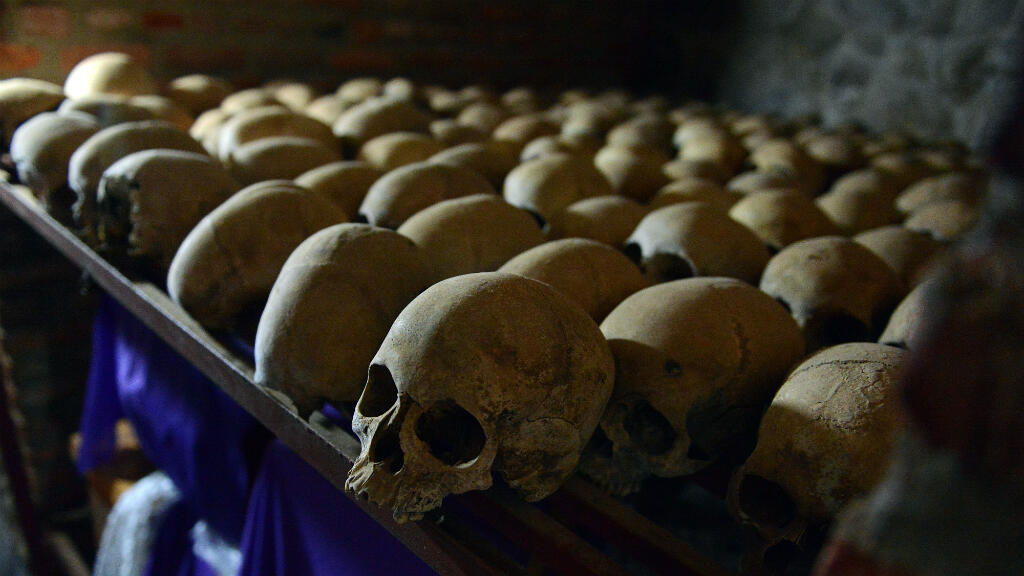
Located in Kigali, the memorial serves as a place of remembrance, education, and reflection. It is the final resting place for more than 250,000 genocide victims.
Visitors can learn about:
- The history of Rwanda before colonialism
- The causes of ethnic division
- Events leading to the genocide
- Personal stories of survivors
- The international response
- Rwanda’s recovery journey
The memorial plays an important role in preserving the memory of those who lost their lives and educating future generations about the dangers of hatred and discrimination.
Genocide Memorial Sites in Rwanda
Besides the Kigali Genocide Memorial, several other important memorial sites exist throughout Rwanda.
1. Nyamata Genocide Memorial
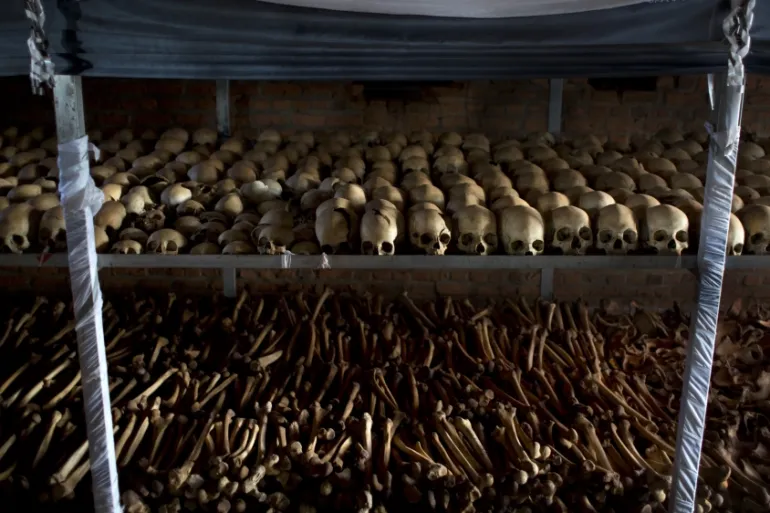
Located in Bugesera District, Nyamata Memorial is a former church where thousands of Tutsi refugees were killed during the genocide.
The site preserves personal belongings, clothing, and evidence of the tragedy.
2. Ntarama Genocide Memorial
Ntarama Church is another important memorial site where thousands of people were murdered after seeking refuge inside the church.
3. Murambi Genocide Memorial
Located in southern Rwanda, Murambi Memorial is known for preserving one of the most powerful genocide exhibitions in the country.
These sites provide opportunities for visitors to understand Rwanda’s history and honor victims.
Rwanda Today: From Tragedy to Transformation
Three decades after the genocide, Rwanda has undergone significant transformation.
Today, Rwanda is recognized for:
- Political stability
- Clean cities
- Economic development
- Conservation success
- Tourism growth
- National reconciliation efforts
Kigali has become one of Africa’s cleanest and safest capital cities, while Rwanda’s national parks have become world-famous destinations for wildlife tourism.
Visitors today experience a country known for:
- Mountain gorilla trekking
- Golden monkey tracking
- Volcano hiking
- Cultural experiences
- Wildlife safaris
- Responsible tourism
Visiting Rwanda for Historical and Cultural Tourism
Understanding Rwanda’s history adds deeper meaning to any visit to the country.
Many travelers combine visits to genocide memorial sites with Rwanda’s famous tourism attractions, including:
- Volcanoes National Park
- Nyungwe Forest National Park
- Akagera National Park
- Lake Kivu
- Kigali cultural attractions
A Rwanda cultural tour provides visitors with opportunities to learn about the country’s traditions, resilience, and remarkable journey toward unity.
Lessons from the Rwandan Genocide
The 1994 Rwandan genocide remains a powerful reminder of the dangers of:
- Ethnic discrimination
- Political extremism
- Hate propaganda
- Dehumanization
- Failure to protect human rights
The tragedy demonstrates the importance of peace education, responsible leadership, justice, and protecting communities from violence.
Rwanda’s recovery also highlights the possibility of rebuilding after devastating conflict through reconciliation, accountability, and shared national goals.
Frequently Asked Questions About the Rwandan Genocide
What caused the Rwandan genocide?
The Rwandan genocide resulted from decades of ethnic tension, colonial-era divisions, political instability, extremist propaganda, and conflict between the Hutu-led government and the Tutsi-led Rwandan Patriotic Front.
How long did the Rwandan genocide last?
The genocide lasted approximately 100 days, from April to July 1994.
How many people died during the Rwandan genocide?
Historians estimate that between 800,000 and 1 million people were killed, mainly Tutsis and moderate Hutus.
Who were the main groups involved in the Rwandan genocide?
The main victims were Tutsis and moderate Hutus. The killings were carried out mainly by extremist Hutu groups, including Interahamwe militia members and elements of the government forces.
Where can visitors learn about the Rwandan genocide?
Visitors can learn about the genocide at memorial sites including the Kigali Genocide Memorial, Nyamata Genocide Memorial, Ntarama Genocide Memorial, and Murambi Genocide Memorial.
Is Rwanda safe to visit today?
Yes. Rwanda is currently considered one of the safest countries in Africa for travelers. Visitors can explore its cities, national parks, and cultural attractions with confidence.
Conclusion: Remembering Rwanda’s Past While Celebrating Its Future
The 1994 Rwandan Genocide remains one of history’s most painful reminders of the consequences of hatred and division.
However, Rwanda’s journey since 1994 also represents one of the world’s most remarkable examples of recovery, reconciliation, and national transformation.
Learning about Rwanda’s history through memorial visits and cultural experiences allows travelers to appreciate not only the country’s difficult past but also its incredible resilience and progress.
Today, Rwanda welcomes visitors with breathtaking landscapes, rich culture, incredible wildlife, and inspiring stories of renewal.
A journey through Rwanda is not only an exploration of its natural beauty but also an opportunity to understand its history and celebrate the strength of its people.
Explore Rwanda’s History and Beauty with Adventure Uganda Safaris
Discover Rwanda beyond the headlines with Adventure Uganda Safaris, your trusted partner for unforgettable East African journeys.
Our tailor-made Rwanda tours combine historical experiences at genocide memorial sites with incredible adventures such as gorilla trekking in Volcanoes National Park, wildlife safaris in Akagera National Park, chimpanzee tracking in Nyungwe Forest, and cultural encounters across the Land of a Thousand Hills.
Whether you want to explore Rwanda’s history, experience its breathtaking landscapes, or combine Rwanda with a Uganda safari adventure, our expert team will create a personalized itinerary designed around your interests and travel goals.
Plan your Rwanda cultural and wildlife safari with Adventure Uganda Safaris today and experience the beauty, history, and resilience of East Africa.