Kasubi Tombs – A Potential Cultural Tourism Site
Kasubi Tombs: Spiritual Heart of the Buganda Kingdom
The Kasubi Tombs, also known as the Tombs of Buganda Kings at Kasubi, stand as one of Uganda’s most profound cultural treasures.
Located on Kasubi Hill in Kampala, this UNESCO World Heritage Site (inscribed in 2001) serves as the primary burial ground for four recent Kabakas (kings) of the Buganda Kingdom, Uganda’s largest traditional kingdom.
Far more than a cemetery, it is a living spiritual center embodying Baganda identity, ancestral reverence, architectural ingenuity, and cultural continuity.
Spanning about 26.8 hectares, the site blends traditional agriculture, sacred architecture, and royal rituals. It draws cultural safari enthusiasts, history lovers, and international tourists seeking authentic African heritage experiences. Recent restorations have enhanced its appeal, making it a must-visit destination on any Uganda safari itinerary.
History of the Kasubi Tombs and the Buganda Kingdom
The Buganda Kingdom traces its origins to the 13th century, with oral traditions linking the first Kabaka, Kintu, to foundational myths. Historically, each Kabaka was buried at a separate site, often with a jawbone shrine elsewhere, believed to house the spirit. Kasubi broke this tradition by becoming the resting place for multiple kings.
In 1882, Kabaka Muteesa I (r. 1856–1884) built a palace on Kasubi Hill. Upon his death in 1884, it was converted into a royal burial ground. This decision marked a significant shift, concentrating royal ancestral power in one location. The site now honors:
- Muteesa I (1835–1884): The first buried here, a powerful ruler open to Islamic and European influences.
- Mwanga II (1867–1903): Known for resistance against colonial forces; remains returned from exile.
- Daudi Chwa II (1896–1939): A key figure during the British protectorate era.
- Sir Edward Muteesa II (1924–1969): Uganda’s first president, who died in exile in London; remains returned in 1971.
These four Kabakas rest within the main structure, with many descendants buried nearby. The site’s spiritual role continues through rituals connecting the living Kabaka and Baganda people to their ancestors.
Kasubi is one of 31 royal tombs in the kingdom, but its scale and concentration of monarchs make it uniquely significant.
Architectural Marvel: Traditional Ganda Design and Craftsmanship
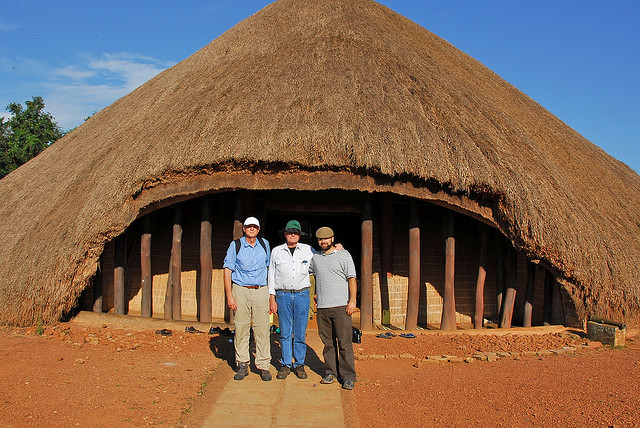
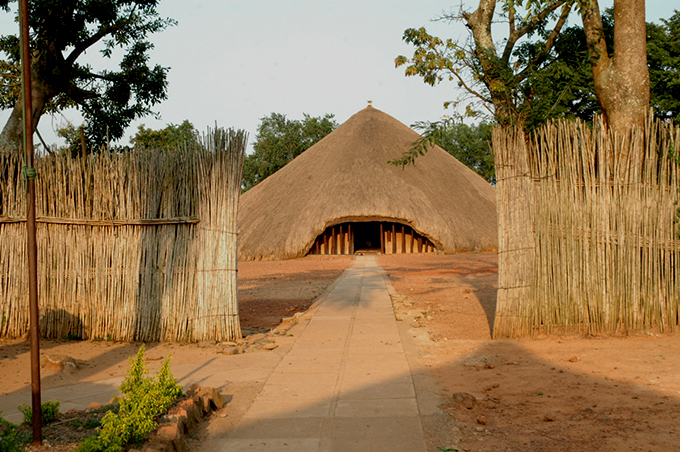
The highlight is Muzibu Azaala Mpanga, the main tomb building—a vast circular thatched structure often described as “mushroom architecture.” It exemplifies organic building techniques using wood, reeds, wattle and daub, and expertly layered grass thatch. At its peak, it measured roughly 31 meters in circumference with a towering dome, one of the largest thatched buildings in sub-Saharan Africa.
Key features include:
- Bujjabukula (Gatehouse): The impressive entrance with symbolic spears representing the kingdom’s historical defense. It sets a reverent tone for visitors.
- Olugya (Main Courtyard): An open space for gatherings and ceremonies.
- Interior of Muzibu Azaala Mpanga: Divided by bark cloth curtains. Public areas display royal regalia, portraits, and symbolic items. Behind the curtain lies the sacred Kibira (forest) zone for private rituals.
- Thatched Roofs and Materials: The thatch technique, unique in its scale and durability in East Africa, showcases masterful craftsmanship passed through generations.
Royal drums, bark cloth, and clan-specific contributions to construction underscore the collaborative heritage of Buganda’s 50+ clans.
Fires, Restoration, and Cultural Resilience
The site faced major challenges with devastating fires in 2010 (destroying much of the main building) and a smaller incident in 2020. These tragedies sparked national mourning and global attention, placing it on the UNESCO World Heritage in Danger list.
Under the leadership of Buganda’s Prime Minister (Katikiro) Charles Peter Mayiga, reconstruction began in earnest around 2014, blending traditional methods with modern fire safety. Funded partly by Japan and contributions from clans and the community, the project revived ancient building skills while adding protections.
By late 2025, the restoration reached completion, with the site removed from the danger list. New clan chambers now surround the grounds, allowing each of Buganda’s clans to showcase their unique norms, beliefs, customs, and artifacts. This enhances the visitor experience and preserves intangible heritage.
Why Visit Kasubi Tombs? Cultural and Spiritual Significance
Kasubi is a living heritage site where rituals continue. It serves as a spiritual hub for the Baganda, reinforcing identity, kingship, and connection to ancestors. For tourists, it offers:
- Immersive insights into pre-colonial African governance and society.
- Appreciation of sustainable, organic architecture.
- Opportunities to witness or learn about traditional music, dance, and ceremonies (respectfully).
- A deeper understanding of Uganda’s complex colonial and post-independence history through the kings’ stories.
The agricultural areas demonstrate traditional farming methods, adding an eco-cultural dimension.
Practical Visiting Guide: How to Get There, Fees, and Tips
Location: Kasubi Hill, about 5 km northwest of Kampala city center. A 15–20 minute drive from downtown, depending on traffic. Route: Pass Makerere University, through Nakulabye, onto Hoima Road, then turn to Masiro Road.
Opening Hours: Typically 8 or 9 AM to 5 or 6 PM daily. Confirm ahead for special ceremonies.
Entrance Fees: Vary for locals, East Africans, and international visitors (often higher for foreigners, around $20–25 USD equivalent). Guided tours are included or available.
Best Time to Visit: Year-round, but dry seasons (December–February, June–August) offer easier travel. Combine with other Kampala sites or extend to full Uganda cultural safaris.
Etiquette Tips:
- Dress modestly (cover shoulders and knees).
- Remove shoes before entering main structures.
- Follow guide instructions; photography may be restricted in sacred areas.
- Maintain silence and respect during rituals.
Guided tours by royal custodians provide rich storytelling.
Nearby Attractions and Itinerary Ideas for Uganda Cultural Safaris
Enhance your trip by pairing Kasubi with:
- Namirembe Cathedral and other Kampala landmarks.
- Uganda Museum.
- Day trips to other royal sites like Wamala Tombs.
- Longer itineraries including Lake Victoria, gorilla trekking, or savanna safaris.
Kasubi fits perfectly into 1–3 day Kampala cultural extensions.
The Future of Kasubi Tombs and Uganda Tourism
With restored glory and clan exhibits, Kasubi is poised to attract more visitors. It highlights sustainable tourism that respects local ownership while boosting the economy. Efforts by the Buganda Kingdom and partners ensure preservation for future generations.
Conclusion: Don’t Miss This Icon of Ugandan Heritage
The Kasubi Tombs offer far more than history—they provide a profound encounter with living culture, resilience, and architectural genius. Whether exploring Buganda’s royal legacy, admiring the thatched masterpiece, hearing royal drums, or learning from clan displays, a visit enriches any Uganda safari.
Plan your visit today and experience why this UNESCO site remains the spiritual and cultural heartbeat of Uganda. Include the Kasubi Tombs on your itinerary—you won’t regret it.