
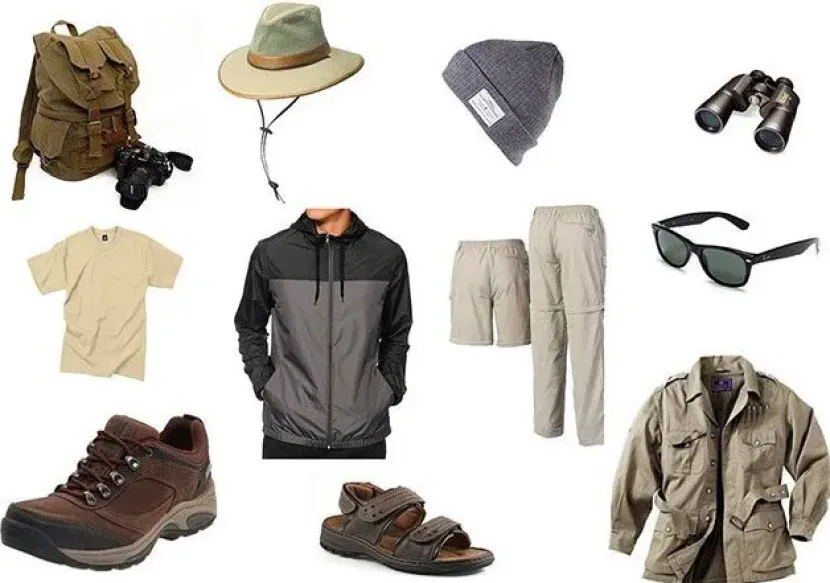
What to Pack for Gorilla Trekking: Complete 2026/7 Packing List
What to Pack for Gorilla Trekking — Discover the essential gorilla trekking packing list, including clothing, hiking boots, rain gear, gloves, snacks, and other must-have items for a safe and comfortable adventure in Uganda or Rwanda.
A well-prepared gorilla trekking packing list is the single biggest factor in turning a Uganda safari or Rwanda gorilla safari into a safe, comfortable, once-in-a-lifetime experience. Gorilla trekking is a wonderful, unforgettable adventure that lets you get up close to mountain gorillas in their natural habitat, whether you’re hiking the dense rainforests of Bwindi Impenetrable National Park and Mgahinga Gorilla National Park in Uganda, or climbing the volcanic slopes of Volcanoes National Park in Rwanda.
Depending on where the gorilla family has moved to that day, a trek can last anywhere from two to eight hours, taking you through genuinely challenging terrain that rewards proper preparation.
This pillar guide brings together everything you need to know about what to pack for gorilla trekking in both Uganda and Rwanda — clothing, footwear, essential gear, health and safety items, important documents, seasonal adjustments, and the critical do’s and don’ts of the forest — so you arrive fully equipped for your gorilla safari, wherever you trek.
When you book your gorilla trekking safari with Adventure Uganda Safaris, whether it’s a dedicated Uganda safari to Bwindi or Mgahinga, a Rwanda gorilla trek in Volcanoes National Park, or a combined Uganda-Rwanda gorilla safari, you join a trusted community of travelers who receive expert pre-trek guidance, including a detailed packing briefing tailored to your exact trekking dates.
Why Packing Smart Matters for Gorilla Trekking
The environment you’ll encounter on a gorilla trekking expedition in Uganda or Rwanda is demanding and unpredictable. Picture muddy trails that turn slippery after rain, steep volcanic or forested slopes that test your endurance, and sudden downpours that can turn a dry morning into a wet, challenging hike within minutes.
Without the right gear, you risk discomfort, injury, or even having to leave the trek early — missing the once-in-a-lifetime chance to see mountain gorillas face-to-face.
Proper packing also matters for gorilla conservation. Wearing earth-toned clothing rather than bright colors helps reduce stress on the gorillas, who can be startled by vivid hues, while avoiding single-use plastics and noisy accessories supports the strict rules set by the Uganda Wildlife Authority (UWA) and Rwanda Development Board (RDB), and helps protect the fragile forest ecosystem both countries depend on.
At Adventure Uganda Safaris, every client is briefed on these gorilla trekking essentials before departure, whether their Uganda safari or Rwanda safari itinerary includes one gorilla trek or several.
Where Gorilla Trekking Happens: Uganda and Rwanda
Gorilla trekking in Uganda takes place in only two national parks: Bwindi Impenetrable National Park in the southwest, and the much smaller Mgahinga Gorilla National Park further south along the Rwanda and Congo border.
The right gear for gorilla trekking is essentially identical across both Uganda parks — the same boots, layers, and accessories work whether you’re trekking Bwindi’s forested valleys or Mgahinga’s volcanic slopes.
Gorilla trekking in Rwanda, by contrast, happens exclusively in Volcanoes National Park in the country’s northwest — a high-altitude, tropical rainforest environment that receives rain throughout the year thanks to relief rainfall across the Virunga mountain range.
Many travelers combine both destinations into a single Uganda-Rwanda gorilla safari, trekking two different gorilla populations on one trip, which is exactly why this packing list is built to cover both.
Clothing: What to Wear for Gorilla Trekking
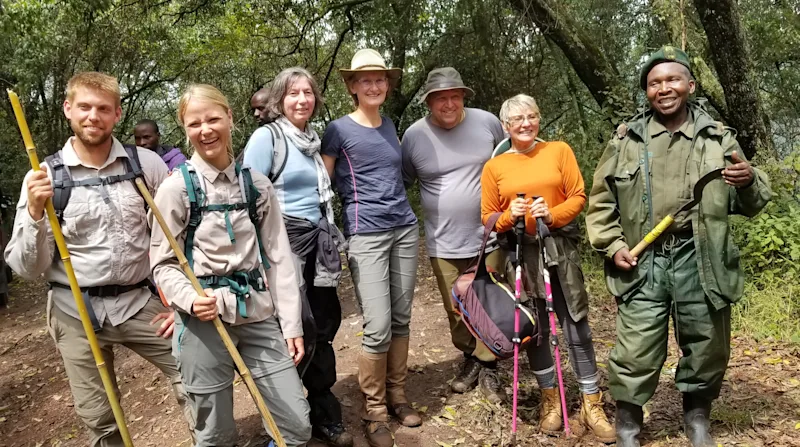
Choosing the right gorilla trekking clothing is essential for comfort, safety, and conservation, whether you’re on a Uganda safari or a Rwanda gorilla trek.
The forest climate is cool in the early morning, warm at midday, and frequently wet, so your clothing should be layered, quick-drying, and aligned with park authority guidelines.
Tops
Wear long-sleeved shirts or blouses made of lightweight, quick-dry material to protect your arms and skin from thorny vegetation, insects, and flies. Avoid bright colors such as red, orange, or neon; mountain gorillas can be irritated by vivid hues, so stick to earth tones like green, brown, or khaki that help you blend into the forest.
Tuck your shirt into your trousers to keep insects from climbing in, and use a simple layering system — a moisture-wicking base layer plus a warm fleece or light jacket — for the cool mornings before the sun rises, whether you’re trekking in Bwindi, Mgahinga, or Rwanda’s higher-altitude Volcanoes National Park.
Bottoms
Choose long trekking pants over shorts, since the forest is dense and trousers protect against scratches, mud, and biting insects. Water-resistant or quick-dry fabrics won’t become heavy when wet, while jeans should be avoided entirely — they’re heavy, slow to dry, and uncomfortable on a long gorilla trekking hike in either country.
Rain Gear
A lightweight waterproof jacket that covers your torso and arms is essential on any gorilla trekking safari, since it should be easy to pack away once the rain stops. This matters just as much in Uganda as it does in Rwanda: Bwindi Impenetrable National Park is a tropical rainforest that receives rain throughout the year, and Volcanoes National Park in Rwanda sees similarly frequent rainfall driven by the Virunga range.
During the wet season, rain pants help keep your legs dry and your lower clothing free of mud. Adventure Uganda Safaris can advise on season-specific gear based on your exact Uganda safari or Rwanda safari trekking dates.
Accessories
Gardening gloves or light trekking gloves protect your hands when gripping thorny vegetation, climbing over roots, or steadying yourself on slippery slopes — useful whether you’re gorilla trekking in Uganda or Rwanda.
A warm beanie or cap helps on early-morning starts when temperatures are lowest, while a brimmed sun hat and sunglasses shield your face once the midday sun strengthens and also help keep vegetation and insects out of your eyes.
Footwear: Boots, Shoes & Gaiters
Footwear is one of the most critical items on any gorilla trekking packing list. Poor boots can cause blisters, ankle injuries, and fatigue that make the trek far harder than it needs to be, whether you’re navigating the steep, forested terrain of Bwindi and Mgahinga or the hilly, high-altitude slopes of Rwanda’s Volcanoes National Park.
Choose sturdy, waterproof hiking boots with strong ankle support and a grippy sole for muddy, uneven trails, and make sure they’re fully broken in before you depart — walking around in them for several days beforehand prevents painful blisters on the trek.
Pair your boots with thick hiking socks, and tuck your trousers into your socks to stop fire ants and other insects from climbing up your legs — a small trick that makes a big difference on both a Uganda gorilla safari and a Rwanda gorilla trek.
Gaiters are worth considering too, since they cover the gap between boots and trousers and keep mud and water out. Pack a lightweight pair of trekking shoes or comfortable sandals for evenings at the lodge, and consider carrying spare insoles in case you feel pressure points during the longer stretches of the hike.
Essential Gear & Equipment
Beyond clothing and footwear, the right equipment plays a major role in a smooth, enjoyable gorilla trekking experience. Use a 20–30 liter daypack that’s comfortable and well-fitting, with a waterproof cover or rain liner to protect your belongings.
Carry a water bottle or hydration system holding at least 1.5–2 liters, since staying hydrated on steep, humid trails is essential whether you’re trekking in Uganda or Rwanda.
A portable power bank keeps your camera and phone charged for the whole day, and a rain cover protects your camera gear from sudden showers and forest humidity. Trekking poles are optional but genuinely help on steep sections, reducing strain on your knees and improving stability.
Pack small dry bags for electronics, passports, and other valuables to keep them safe from moisture, and don’t forget a pair of binoculars — both Bwindi and Volcanoes National Park are home to excellent birdlife along the trekking trail, not just gorillas.
Consider hiring a porter for your gorilla trek too. Porters carry your daypack so you arrive at the gorilla family fresh rather than exhausted, and hiring one also puts money directly into local community livelihoods around the parks.
Remember that Adventure Uganda Safaris guides are experienced and can help carry extra water or assist with small luggage tasks, keeping your Uganda safari or Rwanda gorilla trek focused on the experience rather than the physical strain of carrying everything yourself.
Don’t forget food and hydration for the trail itself: pack a lunch and energy-giving snacks, since treks can take anywhere from two to six hours (occasionally longer in Rwanda’s Volcanoes National Park) before you reach the gorilla family.
Most lodges provide a packed lunch on request, and your guide can help point you toward quick energy snacks available locally in both Uganda and Rwanda.
Cameras and Capturing the Moment
Make sure your camera is fully charged and ready before you set off — the hour you spend with the gorillas passes quickly, and you won’t want to miss a shot.
Bring extra batteries or a power bank, and remember that flash photography is not allowed near mountain gorillas in either Uganda or Rwanda, since it can startle and stress them.
Health, Safety & Documentation
Being physically and legally prepared matters just as much as having the right clothing and gear for your gorilla trekking safari.
Health & Safety
Carry a personal first-aid kit with blister pads, pain relievers, and antiseptic for minor injuries. Use a non-aerosol insect repellent to respect UWA and RDB conservation rules and protect yourself from mosquitoes and tsetse flies, both of which are present in Bwindi, Mgahinga, and Volcanoes National Park.
Pack non-alcoholic hand sanitizer where possible, and bring sunglasses and sunscreen for UV protection during sunny stretches of the hike.
Documentation
Make sure your passport has at least six months of validity remaining before your Uganda safari or Rwanda safari departure. Your gorilla trekking permit will be arranged by Adventure Uganda Safaris as part of your booking, and you should carry travel insurance documents covering emergency evacuation and medical treatment, along with copies of any required vaccination records.
What NOT to Pack for Gorilla Trekking
Some items may seem useful but are actually discouraged or prohibited on gorilla treks in both Uganda and Rwanda. Single-use plastics, such as plastic bags and wrappers, are banned under conservation rules designed to protect the forest environment.
Bright, vividly colored clothing that could disturb gorillas should stay at home, along with drones or professional filming equipment, which require prior authorization from park authorities and can disrupt wildlife.
Leave heavy luxury items like satellite phones or expensive jewelry behind — they’re unnecessary and can pose safety risks — and avoid carrying excessive cash in one place; split your money across different pockets or bags to reduce the risk of loss or theft.
These restrictions exist to protect mountain gorilla conservation, keep trekkers safe, and preserve the natural atmosphere of the forest, whether you’re gorilla trekking in Uganda or Rwanda.
Seasonal Packing Tips: Wet vs. Dry Season
Your gorilla trekking packing list should adapt to the season of your Uganda safari or Rwanda gorilla trek. In the dry season, lighter layers, more sun protection, and minimal rain gear are usually enough. In the wet season, prioritize waterproofs, pack extra socks, and consider gaiters to manage mud and standing water on the trail.
Adventure Uganda Safaris helps clients choose the best season for their trekking goals — including advising on the best time to visit Rwanda for gorilla trekking conditions — and adjusts packing recommendations accordingly, so you’re always prepared for the conditions on the ground.
Gorilla Trekking in Uganda vs. Rwanda: What Changes in Your Packing List
The core gorilla trekking packing list is nearly identical whether you’re on a Uganda safari to Bwindi Impenetrable National Park and Mgahinga Gorilla National Park, or a Rwanda gorilla safari to Volcanoes National Park — sturdy boots, layered earth-toned clothing, rain gear, and insect protection are essential in all three parks.
The main difference is altitude: Rwanda’s Volcanoes National Park sits higher and can feel noticeably cooler and steeper, so an extra warm layer for early mornings is worth adding if your itinerary includes gorilla trekking in Rwanda.
Trek durations can also run slightly longer in Rwanda, up to four hours each way in some cases, so energy snacks and water capacity matter a little more there.
If your trip includes both countries, Adventure Uganda Safaris can help you plan a combined Uganda and Rwanda gorilla trekking safari and advise on seasonal packing for both legs of the journey.
Gorilla Trekking Packing FAQs
Do I need special boots? Yes. Sturdy, waterproof hiking boots with good ankle support are essential for the muddy, steep trails found in Bwindi, Mgahinga, and Rwanda’s Volcanoes National Park.
Can I carry a camera? Yes — bring a compact camera or smartphone with a rain cover to protect it in wet conditions, and remember to switch off your flash before photographing the gorillas.
What if it rains during the trek? Rain is common across all three parks; a waterproof jacket and a rain cover for your gear will keep you and your equipment protected regardless of season.
Is fitness a concern? Moderate fitness is recommended for gorilla trekking in both Uganda and Rwanda. With the right gear and guidance from Adventure Uganda Safaris, most travelers complete the trek successfully.
Can children trek? Trekkers generally must be at least 15 years old in both Uganda and Rwanda — check with Adventure Uganda Safaris for current age requirements and suitability.
Should I hire a porter? It’s optional but highly recommended. A porter carries your daypack so you can focus on the hike and arrive at the gorilla family fresh rather than fatigued.
Ready to Trek? Book Your Gorilla Safari with Adventure Uganda Safaris
A solid gorilla trekking packing list means a better experience, a safer trek, and happier memories in the heart of the African rainforest, whichever country you choose. When you book your Uganda safari or Rwanda gorilla trek with Adventure Uganda Safaris, you get more than a tour — expert permit handling, seamless transport, comfortable accommodation, and personalized pre-trek packing guidance tailored to your dates and season.
Contact Adventure Uganda Safaris today for your customized gorilla trekking package and full packing checklist, and start planning the adventure that takes you face-to-face with the world’s most precious mountain gorillas.