
Gorilla Trekking During the Dry Season
Mountain Gorilla Trekking During the Dry Season
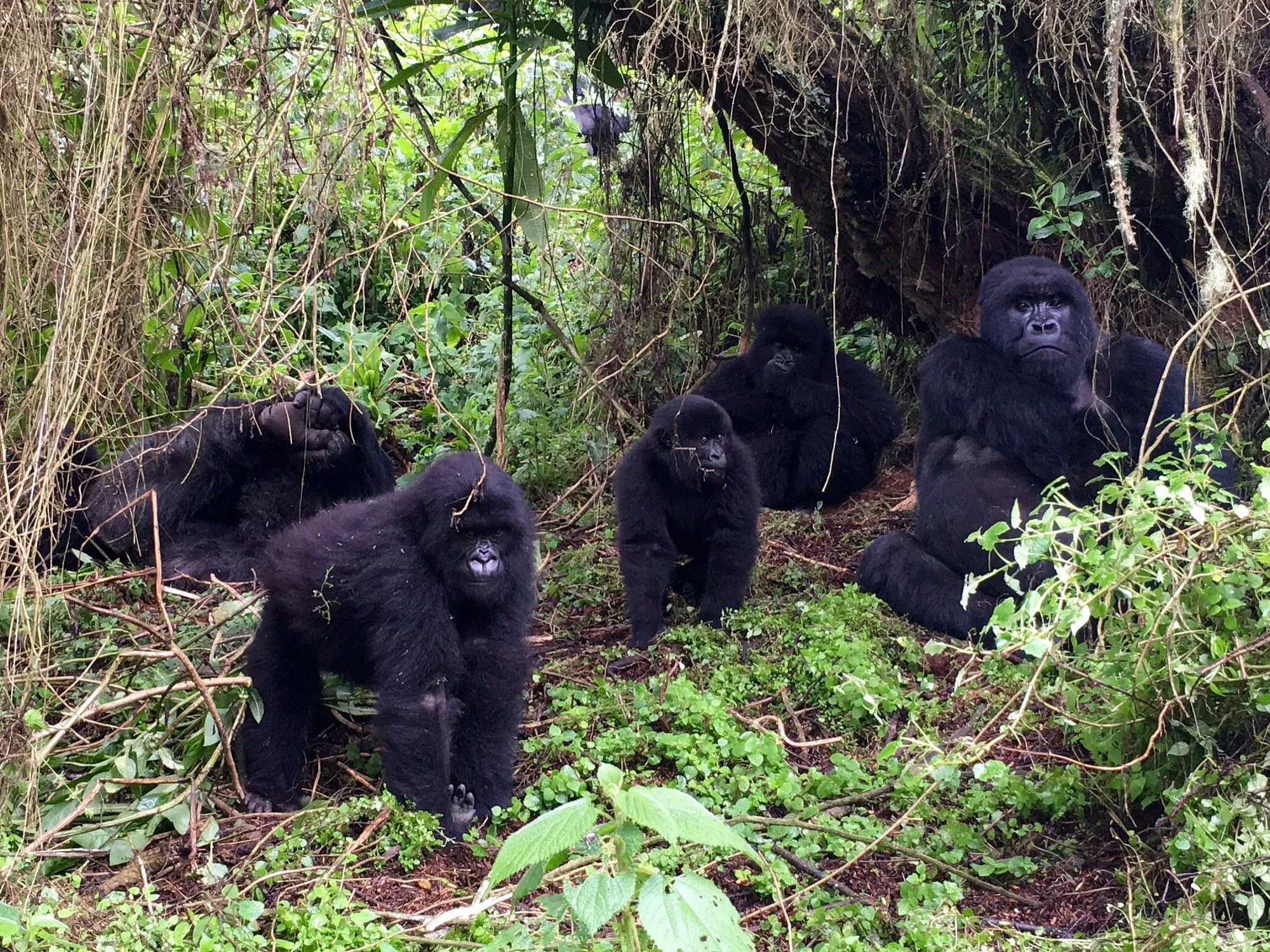
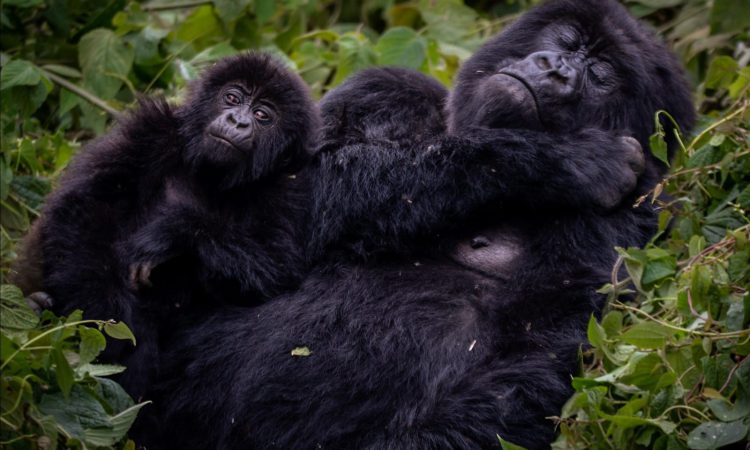
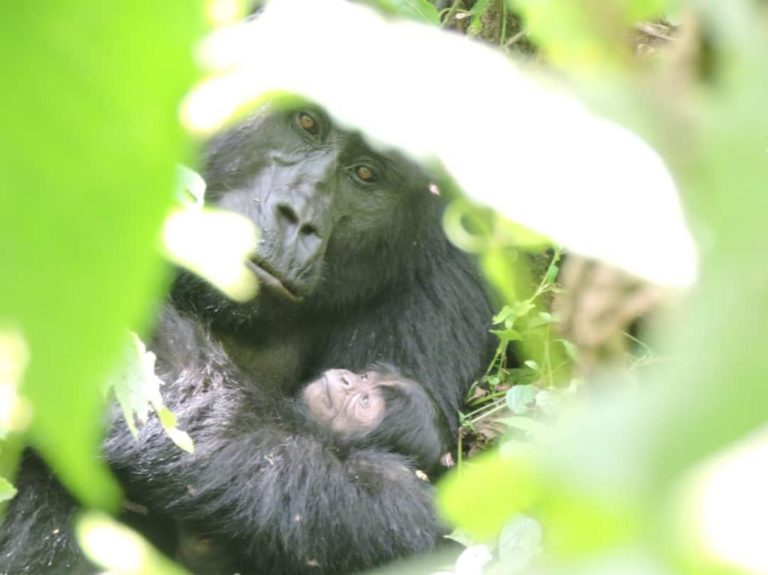
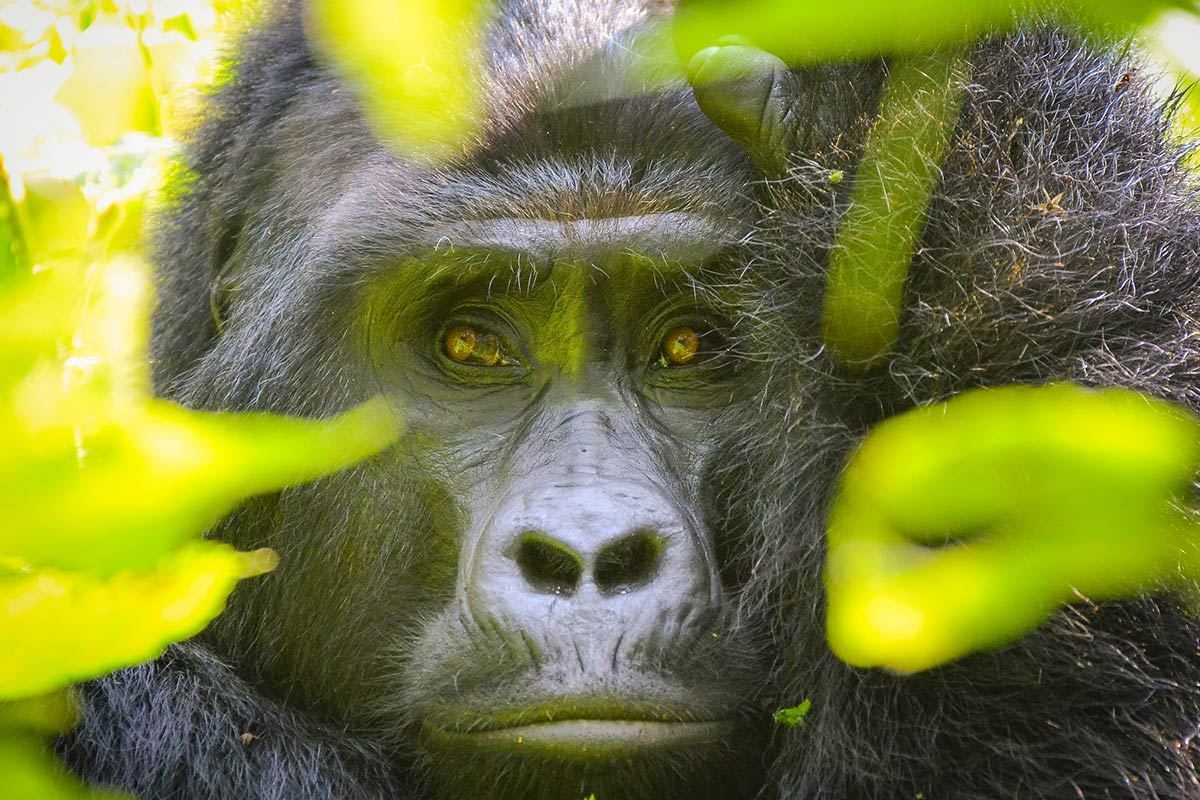
Issues of season and timing have played an important role in influencing decisions of trekking mountain gorillas in their natural habitats, whereby travelers prefer certain seasons. Gorilla trekking is one of the most rewarding and thrilling wildlife experiences of the World and normally appears on many visitors’ wish lists for the African Continent.
Rwanda and Uganda experience Equatorial Climate, marked by two significant seasons (dry and wet seasons) and this has some influence on the overall trekking experience. For this post, we shall focus on gorilla trekking during the dry season-why it is preferred, and how to prepare for it.
Gorilla treks in Uganda and Rwanda are done throughout the year, although the dry season that extends from December to February and again from June to September is considered the best for trekking and encountering these Giant Apes in their natural environment. However, with the high rate of Global Warming and climate change, downpours and droughts are experienced off-seasons.
Merits of trekking mountain gorillas during the dry season
One obvious and exciting merit of trekking mountain gorillas during the dry season is related to the fact that little or no rains are experienced during these months. Downpours delay gorilla treks because if they start early morning, visitors have to wait for rain to stop before starting treks but come rain, come sunshine, the activity has to go on.
The discomforts of trekking mountain gorillas through muddy and slippery trails are reduced when you choose the dry season. Due to heavy rains, the trails become messy, muddy, and slippery thus making trekkers hike with difficulty, occasionally slip. However as earlier mentioned, climate change and Global warming make it difficult to predict seasons thus important to come prepared for any season.
Also, the Park roads are not tarmacked but purely murram roads, which become difficult to access or literally impassable during the wet season. For this reason, the dry season is slightly advantageous because chances of rains are minimal thus different parts of the Parks are reachable. Movement is, therefore, faster and less strenuous during the dry season, thus saving a lot of time for the post-trekking tourist activities especially cultural experiences, boat rides, and birding among others.
Downsides of trekking mountain gorillas during the dry season
While everyone (including us) considers the dry season as the best time for trekking mountain gorillas in Uganda or Rwanda, not everything is rosy about it. For instance, securing gorilla permits for the dry season (which is also the peak season) is difficult because most travelers prefer this time to achieve their dream of encountering Giant Apes in their natural environment. The high demand for trekking permits makes it competitive and difficult to purchase thus 4-6 months before the trekking date is the recommended booking time.
The dry season means there is little rain and for this, vegetation reduces, thus limiting food for the Mountain gorillas. They will move deeper and farther into the forest to search for food and this also means trekkers have to move longer distances to find them.
When it comes to places of lodging, expect hiked prices during the dry season, owing to the huge numbers of visitors. This brings about tight competition for accommodation facilities and therefore be prepared to pay more for the peak season. While permits discounts were scrapped off in Uganda, they were mainly offered during the rainy season, and therefore always check our sites for any discounted deals.
However, whether gorilla trekking is planned for the dry or rainy season, a number of things are mandatory and a packing list is one of them. For this purpose, don’t leave out a rain jacket, waterproof backpack, warm sweater, safari hat, a good camera, strong waterproof hiking boots, toiletries, and first aid kit among others.