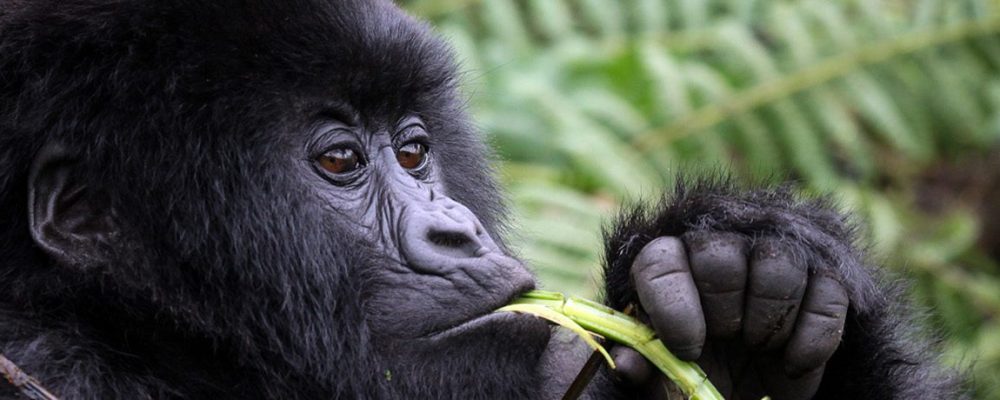
How fit do I have to be for mountain Gorilla Trekking
How fit do I have to be for mountain Gorilla Trekking
Having successfully booked for your mountain gorilla trekking safari, especially after hearing about past experiences of those who have already undertaken the adventure, you would wonder how fit you have to be for these heart-warming encounters. Questions like “am I fit enough?”, “how difficult are gorilla treks?” and “how long will the treks last?” are inevitable among intending gorilla trekkers. Whatever the case, relax and be at ease as the activity is undertaken in the company of trained Ranger guides who follow the pace of the slowest traveller while taking breathers.
Regardless of how difficult mountain gorilla trekking is, advance planning can go a long way in simplifying your adventure, thus creating more memorable experiences. The activity is undoubtedly challenging and requires some level of physical fitness and this brings us to the subject matter. How fit do I have to be for mountain gorilla trekking in Uganda, Rwanda and the Democratic Republic of Congo?
During booking of Mountain gorilla trekking tours, physical fitness is emphasized for intending travellers as a way of reducing the difficulties that come with long hiking hours through areas of high elevation. Therefore, there is the assurance of successful completion of trekking tours with minimal challenges for tourists who are physically fit. It should be noted that these endangered Giant Apes live in densely forested and high altitude areas (ranging from 2500 to 4000 meters above sea level), and can take up to 6 hours of hiking through steep slopes, deep valleys and crossing mountain streams to finally meet them in their natural environment. For this purpose, trekkers are always advised to disclose their fitness levels during the pre-trekking briefing so as to be allocated to gorilla groups that fit their levels of physical fitness.
How habituated gorilla families are allocated
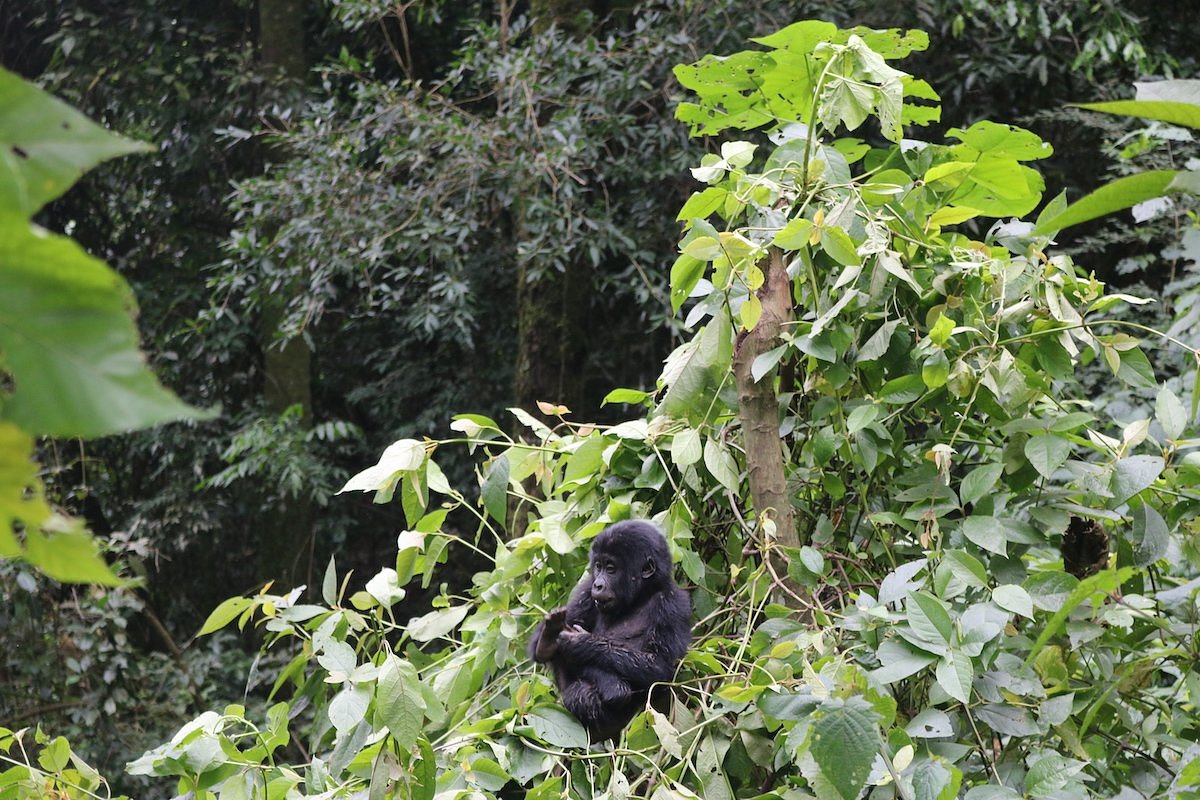
After briefing and before entering into the forest to search for the mountain gorillas, visitors (in groups of 8 persons) are first allocated to habituated gorilla families. This depends on a number of factors, one of which is your fitness levels because some families live in high altitude areas thus trekked by youthful, energetic and very fit tourists. The families that occupy low altitude areas are allocated for the aged and visitors with low fitness levels. However, your fitness won’t deter you from meeting face to face with these Great Apes going about their daily routines because the activity is done based on the pace of the slowest traveller and there is an option of hiring sedan chairs. For travellers to Bwindi, it is important to note that the Rushaga sector offers the hardest treks, followed by Nkuringo, Ruhija then Buhoma.
Exercises to keep physically fit for mountain gorilla trekking
Regardless of how fit you think you are, adequate preparations are crucial for the ultimate enjoyment of gorilla trekking experiences. A number of exercises are helpful to have your mind and muscles ready for the activity and they include;
Hiking
If you live close to a mountain or hill and bleachers of a nearby school, you can make use of them for keeping at par with your fitness levels. Start several months before the trekking day and increase the distance every time you undertake the adventure.
Walking
Gorilla trekking tours are conducted on foot, lasting several hours and therefore to get used to these encounters, try walking while increasing distance each time you do it.
Stretching
It is also important to do some stretches prior to undertaking your gorilla trekking tour, without forgetting cardio training. This will make you more flexible, enhance mobility and prevent any possible injuries. With this exercise, you will reduce tight muscles as well as sores.
Hit the gym
The gym is the best and commonest preparation for mountain gorilla trekking because there are a variety of activities to try out.
The important Tips for trekking mountain gorillas include; using a walking stick and hiring a porter who offers support during strenuous walks. Wear sturdy hiking boots, a long-sleeved shirt and long safari pants that have to be tucked with long cotton socks before embarking on the trek also carry a lot of drinking water as well as energizing snacks to keep your energy at par. Gardening gloves are also handy for clambering around and don’t forget a hat to protect your hair from getting dirty.