
Ultimate 2026 Guide to Birding in Uganda: Top Spots for Shoebill, Albertine Rift Endemics & Rare Birds
Uganda Birding Destinations: Uganda, the Pearl of Africa, stands as one of the world’s premier birding destinations.
With over 1,100 recorded bird species, diverse habitats—from vast wetlands and savannahs to impenetrable rainforests and alpine zones—offer unparalleled opportunities for birdwatchers.
Whether seeking the prehistoric shoebill, colorful Albertine Rift endemics, or vibrant kingfishers and turacos, Uganda delivers.
This comprehensive guide covers the best birding locations, detailed checklists, practical tips, best times to visit, and insights to help you plan an unforgettable birding safari.
Why Uganda Ranks Among Africa’s Top Birding Destinations
Uganda’s position along the Albertine Rift and Lake Victoria basin creates exceptional biodiversity.
Key factors include:
- Habitat Variety: Wetlands (Mabamba), lowland forests (Semuliki, Kibale), montane forests (Bwindi), savannahs (Queen Elizabeth, Murchison Falls), and mountains (Mount Elgon).
- Endemics and Specialties: 23+ Albertine Rift endemics, Shoebill strongholds, and Guinea-Congo forest species.
- Accessibility: Many sites are near Kampala or Entebbe, ideal for day trips or multi-park itineraries.
- Year-Round Potential: Migrants boost numbers November–April; dry seasons improve access.
Birding combines easily with gorilla trekking, chimpanzee tracking, and game drives, maximizing value.
1. Mabamba Swamp (Bay): Uganda’s Premier Shoebill Destination
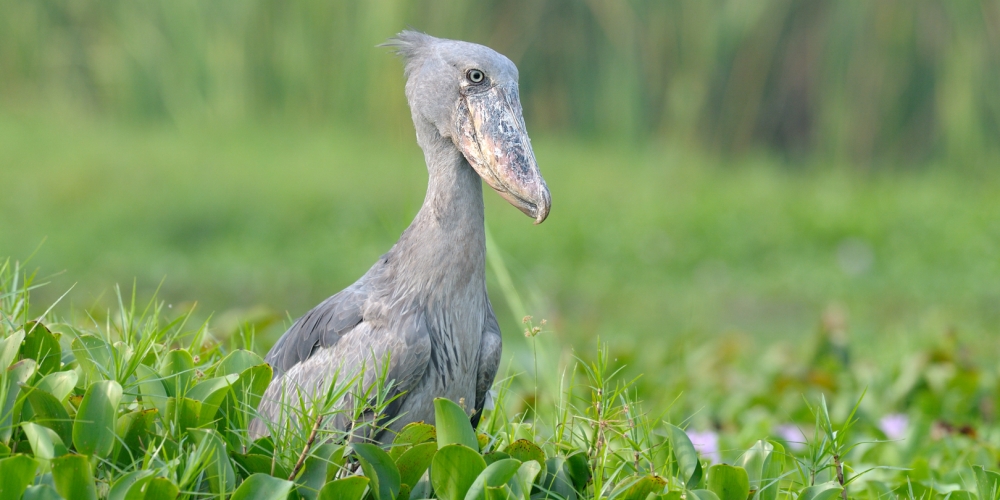
Mabamba Swamp, a Ramsar site and Important Bird Area on Lake Victoria’s northern shores, is the most reliable spot for the iconic Shoebill (Balaeniceps rex).
Just 1–1.5 hours from Entebbe or Kampala, it’s perfect for day trips or layovers.
Access and Experience: Travel by road or scenic boat from Entebbe. Local community guides navigate papyrus channels by motorized canoe.
Early mornings (6–9 AM) yield the highest success (90–98%) as shoebills hunt lungfish.
Key Birds:
- Shoebill (star attraction, vulnerable)
- Papyrus Gonolek, Blue-headed Coucal, White-winged Warbler
- Malachite and Pied Kingfishers, African Jacana, Goliath Heron
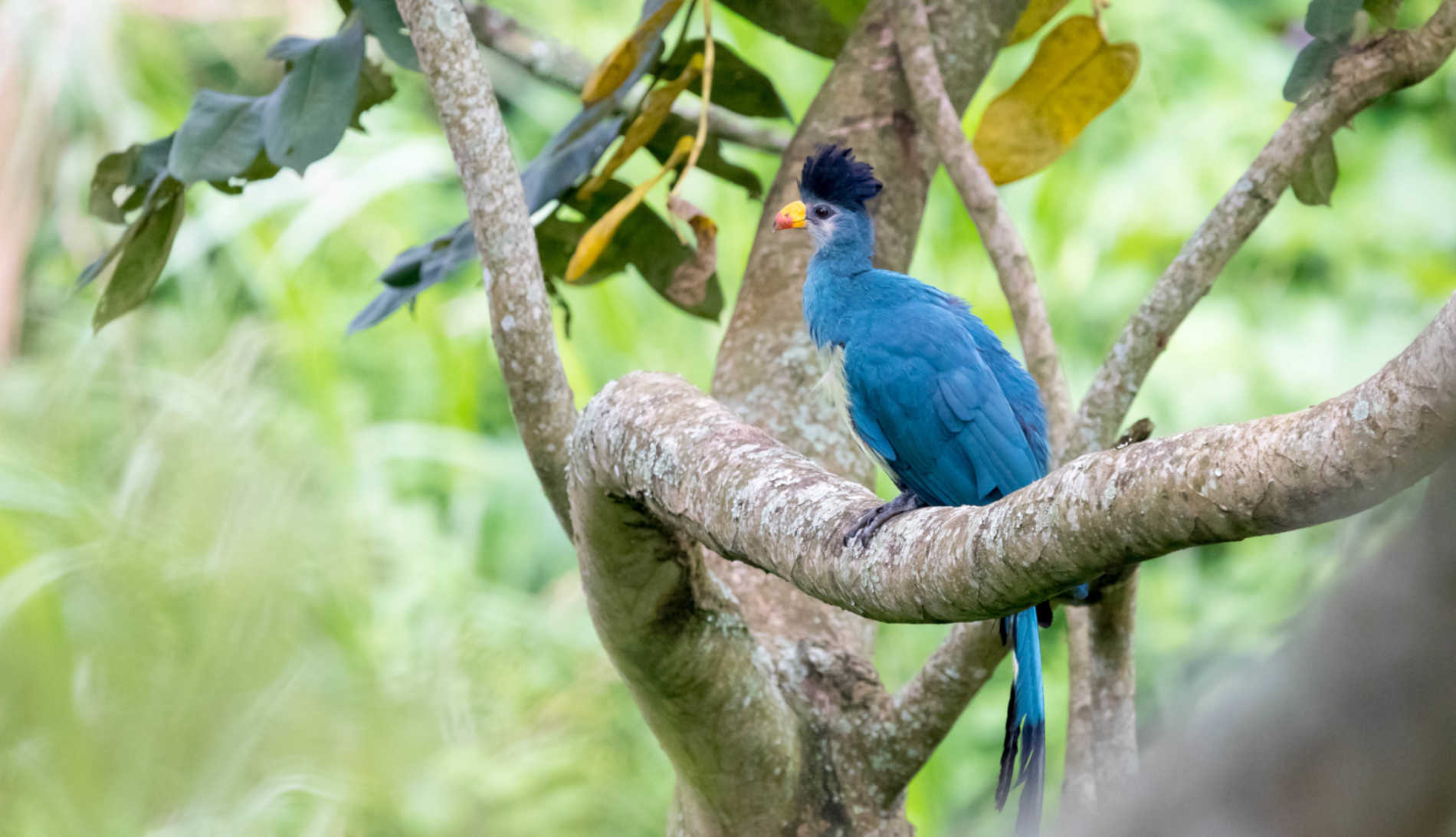
- Great Blue Turaco, Yellow-backed Weaver, Long-toed Lapwing
- Over 300 species total, including migrants.
Best Time: Dry seasons (Dec–Feb, Jun–Sep) for lower water levels and better access.
Year-round sightings possible.
Tips: Support community ecotourism; bring binoculars, camera with zoom, and insect repellent.
Combine with Entebbe Botanical Gardens.
2. Entebbe Botanical Gardens: Easy Access Birding Near the Airport
Located minutes from Entebbe Airport (40 km from Kampala), these gardens offer relaxed birding in manicured landscapes with forest edges.
Ideal for beginners or short visits.
Key Species:
- Pied, Malachite, Giant, and Woodland Kingfishers
- Great Blue and Ross’s Turacos
- Red-chested, Copper, Collared, and Olive-bellied Sunbirds
- Ashy Flycatcher, Klaas’s and Diederik Cuckoos
- Slender-billed and Red-faced Cisticolas, various warblers
- Black Bishop, Grey Woodpecker, and more.
Why Visit: Convenient, shaded trails, and high activity. Pair with Mabamba for a full day.
3. Queen Elizabeth National Park: Over 600 Bird Species
This park boasts one of Uganda’s highest bird counts (~600+ species) across savannah, wetlands, forests, and the Kazinga Channel.
Hotspots include Katwe, Maramagambo Forest, Ishasha, Kazinga Channel, Kasenyi, Mweya Peninsula, Kyambura Gorge, and Lake Kikorongo.
Special Birds:
- Shoebill, Martial Eagle, African Broadbill, White-winged Warbler
- African Skimmer, Chapin’s Flycatcher, Pink-backed Pelican
- Verreaux’s Eagle Owl, Black Bee-eater, Papyrus Gonolek and Canary
- Lesser and greater flamingos, bar-tailed Godwit.
Boat trips on the Kazinga Channel excel for water birds; forest walks target specialities.
Combine with game drives for mammals and birds.
4. Bwindi Impenetrable National Park: Albertine Rift Endemics Haven
Home to ~350 species, including 23 Albertine Rift endemics, Bwindi is a UNESCO site famous for gorillas and birds.
Best trails: Buhoma Waterfall, Bamboo Zone, Bwindi Swamp (Ruhija), and Mubwindi Swamp.
Highlights:
- African Green Broadbill, Shelley’s Crimsonwing, Grauer’s Rush Warbler
- Handsome Francolin, Rwenzori Nightjar, Bar-tailed Trogon
- Doherty’s and Lagden’s Bush-shrikes, various sunbirds and apalises
- Black Bee-eater, Dusky Crimsonwing, Mountain Masked Apalis.
Tips: Higher altitudes in Ruhija for endemics. Dry seasons for trekking comfort.
5. Kibale Forest National Park: Pitta Paradise and Primate Haven
With 370+ species, Kibale shines for forest birds.
Key areas: Kanyanchu and Bigodi Wetland Sanctuary.
Key Species:
- Green-breasted Pitta, African Pitta, Afep and White-naped Pigeons
- Crowned Eagle, Red-chested Owlet, Black Bee-eater
- Blue-headed and Purple-breasted Sunbirds, Collared Apalis
- Dusky Crimsonwing, Yellow-spotted Nicator.
Bigodi offers community-led walks with papyrus specialties.
6. Mount Elgon: High-Altitude Birding
Best at Kapkwai Forest Exploration Centre and Cheptui Falls trails.
Species: Chubb’s Cisticola, Black-collared Apalis, Doherty’s Bush-shrike, Hartlaub’s Turaco, various pigeons and sunbirds.
7. Semuliki National Park: Guinea-Congo Forest Specialties
This lowland rainforest extension of the Ituri Forest hosts 400+ species, many Congo Basin endemics.
Hotspots: Sempaya Hot Springs, Kirumia River, Ntandi.
Notables:
- Shoebill, Nkulengu Rail, Spot-breasted Ibis
- Various hornbills (Piping, White-thighed, Black Dwarf)
- Yellow-throated Nicator, Lyre-tailed Honeyguide
- Blue-headed Coucal, Swamp Palm Bulbul.
8. Murchison Falls National Park: Riverine and Savannah Birds
Birding pairs with boat rides and game drives. Areas: Budongo/Kaniyo Pabidi Forests, Nile Delta, Para.
Checklist Highlights:
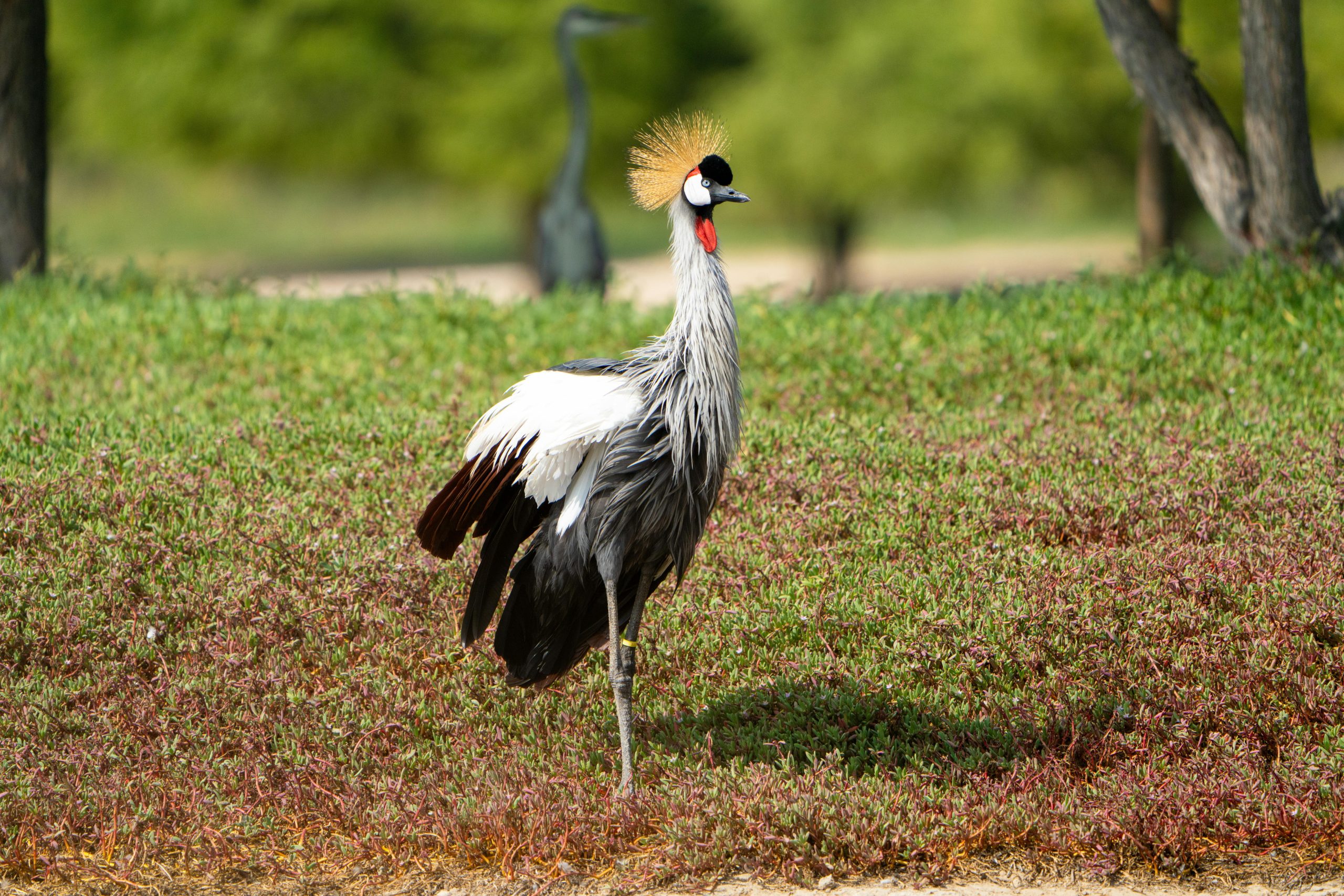
- Shoebill, Goliath Heron, African Fish Eagle, Grey Crowned Crane
- Secretary Bird, Abdim’s Stork, Northern Carmine Bee-eater
- Red-throated Bee-eater, Giant and Malachite Kingfishers
- Pennant-winged and Standard-winged Nightjars.
9. Kidepo Valley National Park: Arid Specialties
Focus on Namamukweny Valleys and Narus for Abyssinian Roller, Abyssinian Ground Hornbill, Purple Heron, and Clapperton’s Francolin.
Essential Birding Tips for Uganda
- Best Time: Dec–Feb (migrants + dry) or Jun–Aug (comfortable trekking). Wet seasons (Mar–May, Oct–Nov) boost activity but add mud.
- What to Bring: Binoculars (8×42+), field guide/app (eBird), rain gear, sturdy boots, camera, sunscreen, and malaria prophylaxis.
- Guides: Hire expert local bird guides for better sightings and calls.
- Conservation: Support community projects; follow ethical viewing (no playback abuse, maintain distance).
- Itineraries: 7–14 days for multiple parks. Fly between hubs or drive for immersion.
- Photography: Early light is best; telephoto lenses essential for forest birds.
Uganda’s birding scene thrives due to protected areas and community involvement. Responsible tourism aids the conservation of vulnerable species like the shoebill.
Plan your trip with Adventure Uganda Safaris for seamless logistics. Uganda offers not just birds but immersive natural wonders—start planning your avian adventure today!